
 Library
We learn literary history from the books that survived. What about the books that were never written? Woolf asks us to look at the empty spaces.

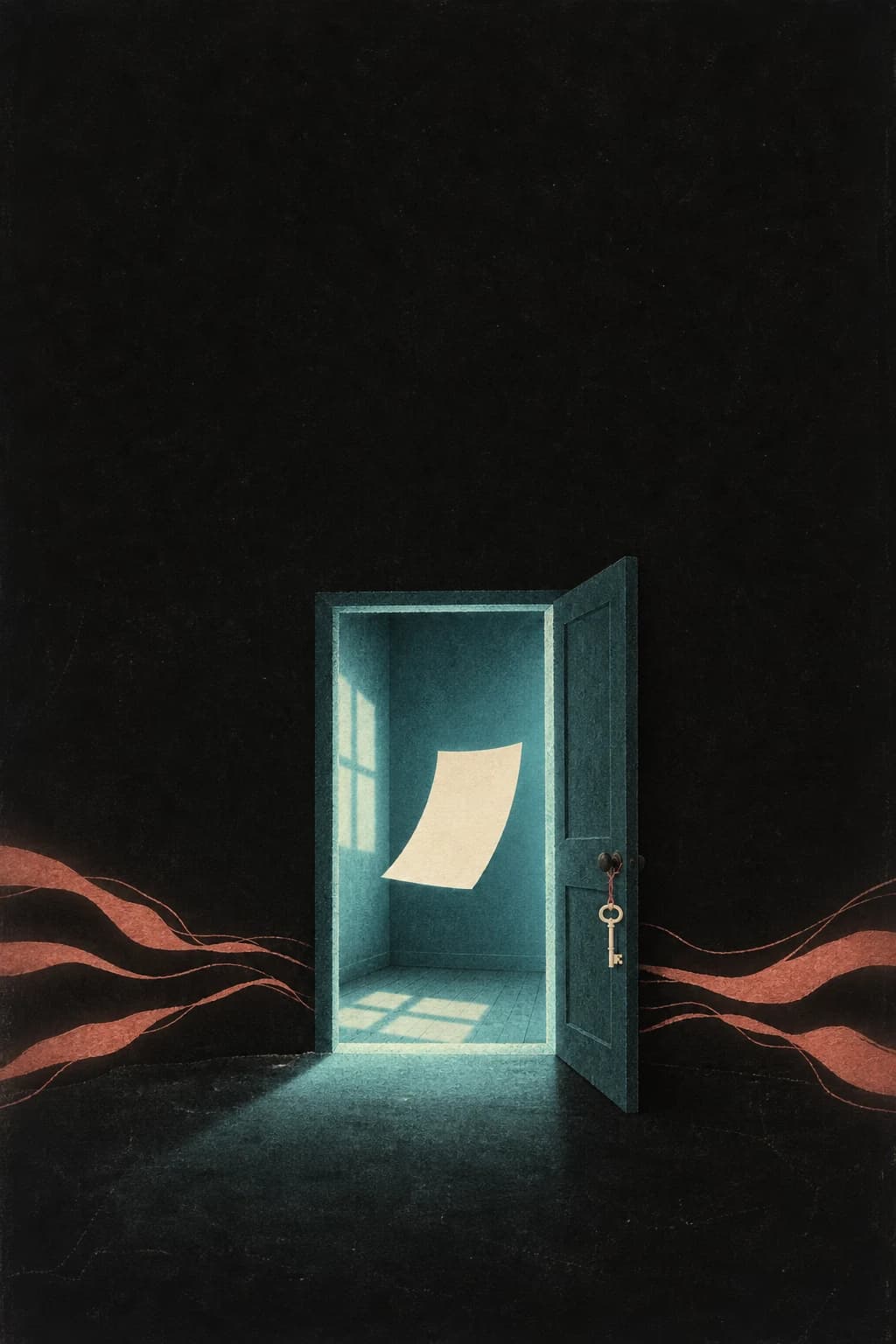
Woolf’s answer is strikingly practical: an income and a room with a door she can close. A sentence needs time in which its writer is not called away.

The narrator says an inheritance of £500 a year eased her fear about making a living. When she no longer has to write to please someone else, her thoughts can take another route.

Woolf imagines a sister as gifted as Shakespeare. If she could neither study nor reach a stage, would equal talent have left an equal body of work?

Woolf looks for the women who wrote before her. Making a path alone is different from being able to follow the traces another writer left.

Imagine two people with the same three free hours. One closes a door and writes; the other puts down a pen whenever a care call comes in. Are those really the same three hours?

Before calling someone ungifted because they left no work behind, ask whether they ever had the power to close the door. Woolf’s question is still open.
Questions the book leaves
Write 5–100 characters.
After saving, only you can see it. A previously shared note leaves the public list.
Loading shared thoughts…
Only notes saved as shared appear here.